Table of Contents
Not every tree on your property will make it through winter, and knowing the warning signs early can save you from a dangerous situation once snow and ice set in. Weak, diseased, or damaged trees are far more likely to fail under the weight of heavy snow or the force of winter winds, putting your home, family, and neighbors at risk. That’s why understanding when a tree needs professional evaluation, and possibly removal, is such an important part of preparing for the season.
If you’re unsure whether a tree on your property is healthy enough to withstand winter, working with an experienced tree removal Buffalo NY company can give you the clarity you need before the first major storm hits.
Why Winter Is So Hard on Struggling Trees
Winter conditions in this region are demanding even for healthy trees. Heavy, wet snow adds significant weight to branches, while strong winds off the lake can put extra strain on trunks and root systems. For a tree that’s already compromised by disease, decay, or storm damage, these conditions can be the tipping point that causes a full or partial collapse.
A tree that looks fine in the summer months can hide serious internal problems that only become obvious once the stress of winter arrives. This is exactly why fall inspections matter so much, and why so many property owners turn to a professional tree removal service before the snow begins to fall.
Common Signs a Tree May Not Survive Winter
Some warning signs are easy to spot, while others require a trained eye to catch. Here are some of the most common indicators that a tree may be at serious risk:
- Large dead branches with no leaves, especially in the upper canopy
- Bark that is peeling, cracked, or missing in large sections
- Visible fungus, mushrooms, or conks growing at the base or on the trunk
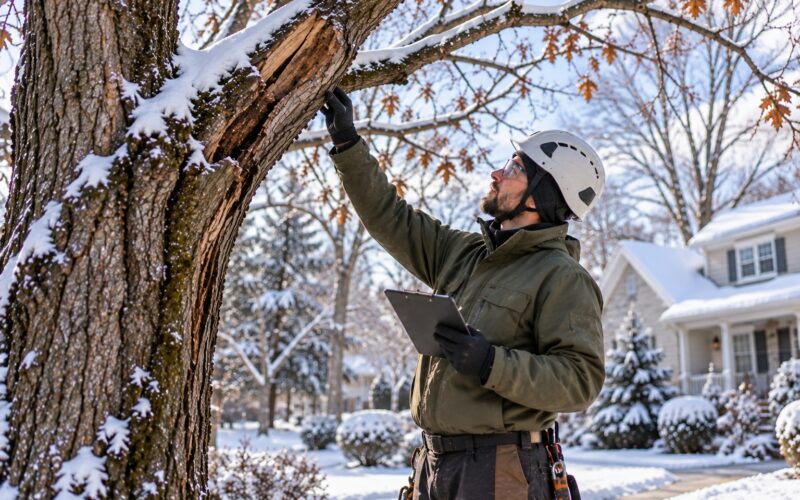
- Deep cracks or splits running along the trunk
- A noticeable lean that wasn’t there in previous seasons
- Exposed or damaged roots, particularly after heavy rain or construction nearby
- Hollow sounds when the trunk is tapped, which can indicate internal decay
- Sparse, undersized leaves or early leaf drop compared to nearby trees
If you notice one or more of these signs, it’s worth scheduling an inspection with a tree removal Buffalo NY crew who can assess whether the tree can be saved or needs to come down.
Root and Trunk Damage: A Major Red Flag
The base of a tree tells you a lot about its overall health. Roots anchor a tree firmly in the ground, and when they’re compromised, even a healthy-looking canopy won’t be enough to keep the tree standing during a winter storm.
Watch for these root and trunk warning signs:
- Soil heaving or lifting near the base of the tree
- Roots that appear cut, crushed, or damaged from nearby digging or construction
- Mushrooms or fungal growth around the root flare
- A trunk that has begun leaning more than in previous years
- Soft, spongy wood near the base when pressed
Trees with significant root damage are especially dangerous because they can fail suddenly, without much warning, once snow adds extra weight to the canopy. In these cases, calling a tree removal service sooner rather than later is almost always the safer choice.
Disease and Pest Damage That Weaken Trees
Insects and diseases can quietly damage a tree from the inside out, long before visible symptoms appear on the outside. Some of the most common culprits in this region include wood-boring insects, fungal infections, and various forms of rot that target stressed or aging trees.
Signs of disease or pest infestation to watch for include:
- Small holes in the bark, sometimes with sawdust-like material nearby
- Thinning canopy or branches that die back one section at a time
- Discolored, wilted, or unusually small leaves
- Sticky residue or sap oozing from the trunk
- Visible insect activity, such as beetles or larvae under loose bark
Once a tree is significantly weakened by disease or pests, it often can’t recover in time to safely handle winter’s added stress. A professional tree removal service can evaluate the extent of the damage and recommend the safest path forward.
Storm Damage from Previous Seasons
Trees that were damaged in past storms sometimes look stable on the surface but are actually far more vulnerable than they appear. Broken branches that were never properly addressed, cracked limbs, or trunk wounds from fallen debris can all create weak points that worsen over time.
Before winter arrives, take a closer look at any trees that experienced storm damage in recent years. If cracks haven’t healed properly, or if large wounds are still exposed, that tree may be at higher risk of failure once heavy snow adds extra pressure.
When Removal Is the Safer Option
Not every troubled tree needs to come down, but in certain situations, removal is genuinely the safest choice for your property. This is especially true when:
- The tree is dead or more than half dead
- Structural damage makes the tree unstable or likely to fall
- The tree is leaning toward a house, garage, driveway, or power lines
- Root damage has compromised the tree’s ability to stay upright
- Disease has spread too far for treatment to be effective
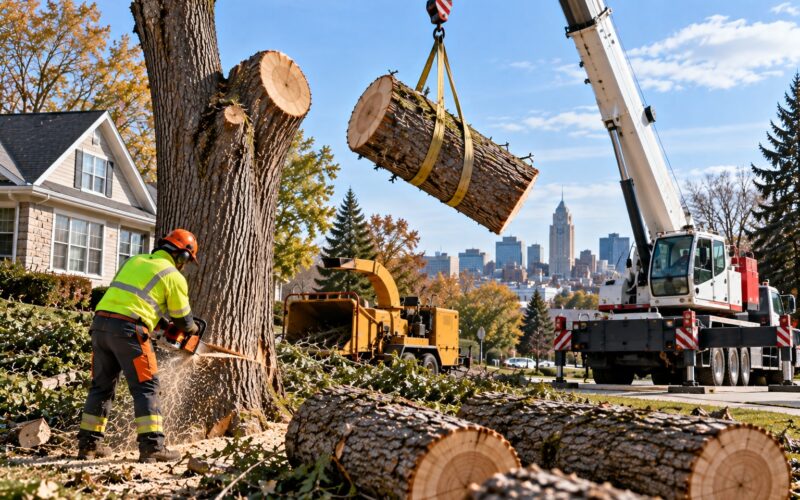
Removing a hazardous tree before winter, while the ground is still workable and conditions are safer for crews, is far less risky than waiting until an emergency situation forces the issue during a storm.
Why Fall Is the Best Time to Address a Struggling Tree
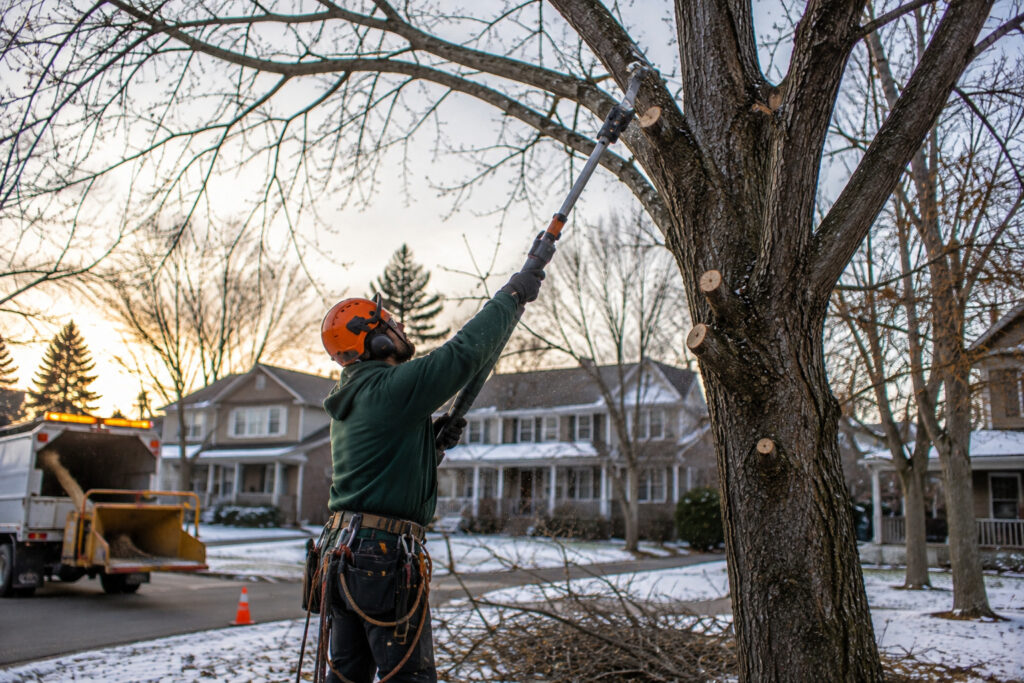
Handling tree removal in late fall offers several practical advantages. The ground hasn’t frozen yet, making equipment access easier and safer. Most leaves have dropped, giving arborists a clearer view of the tree’s structure and any hidden damage. And addressing the issue now means you avoid the risk of a sudden failure during a snowstorm, when emergency response can take longer and conditions are more dangerous for everyone involved.
Scheduling an inspection with a trusted tree removal Buffalo NY team early in the season gives you time to make informed decisions, rather than reacting under pressure once winter weather has already arrived.
What to Expect From a Professional Tree Removal Service
If a tree is determined to be unsafe, a qualified team will typically walk you through the process from start to finish. A thorough tree removal service usually includes:
- A detailed assessment explaining why removal is recommended
- A clear plan for safely removing the tree, especially near structures or power lines
- The use of proper equipment to protect your property during the process
- Complete cleanup, including branches, debris, and often stump grinding if requested
- Guidance on replanting options, if you’d like to add a new tree in its place
Working with an experienced tree Removal service buffalo NY property owners already trust ensures the job is done safely, efficiently, and without unnecessary damage to the rest of your landscape.
Frequently Asked Questions
How can I tell if my tree is dead or just dormant?
Dormant trees lose their leaves but still have flexible, green tissue underneath the bark. A simple scratch test on a small branch can help: if it’s dry and brown underneath rather than green, that section may be dead. A professional evaluation is the most reliable way to know for sure.
Is it safe to remove a tree myself?
Removing a tree, especially a large one or one near structures and power lines, involves serious risk and should be left to trained professionals with the right equipment and experience.
What happens if I ignore a hazardous tree?
A hazardous tree left unaddressed can fail unexpectedly, particularly under the added weight of snow and ice, potentially causing damage to your home, vehicles, or nearby power lines, and putting people at risk.
Can a damaged tree be saved instead of removed?
In some cases, yes. Trees with limited damage may respond well to pruning, cabling, or other treatments. A professional assessment can determine whether saving the tree is realistic or whether removal is the safer path.
How much does tree removal typically cost?
Costs vary based on the tree’s size, location, and condition, as well as any additional services like stump grinding. Most companies provide free estimates so you can plan ahead with confidence.
Should I remove a tree before or after winter?
Before winter is almost always preferable. Ground conditions are easier to work with, and removing the risk early prevents the danger of sudden failure during a storm.
Final Thoughts
A tree that can’t withstand winter’s demands puts more than just itself at risk. By learning to recognize the warning signs, from root damage to disease to storm-related weaknesses, you can make informed decisions before the snow arrives. When in doubt, a professional evaluation from an experienced tree removal Buffalo NY team can give you the peace of mind that your property is ready to face whatever winter brings.