Table of Contents
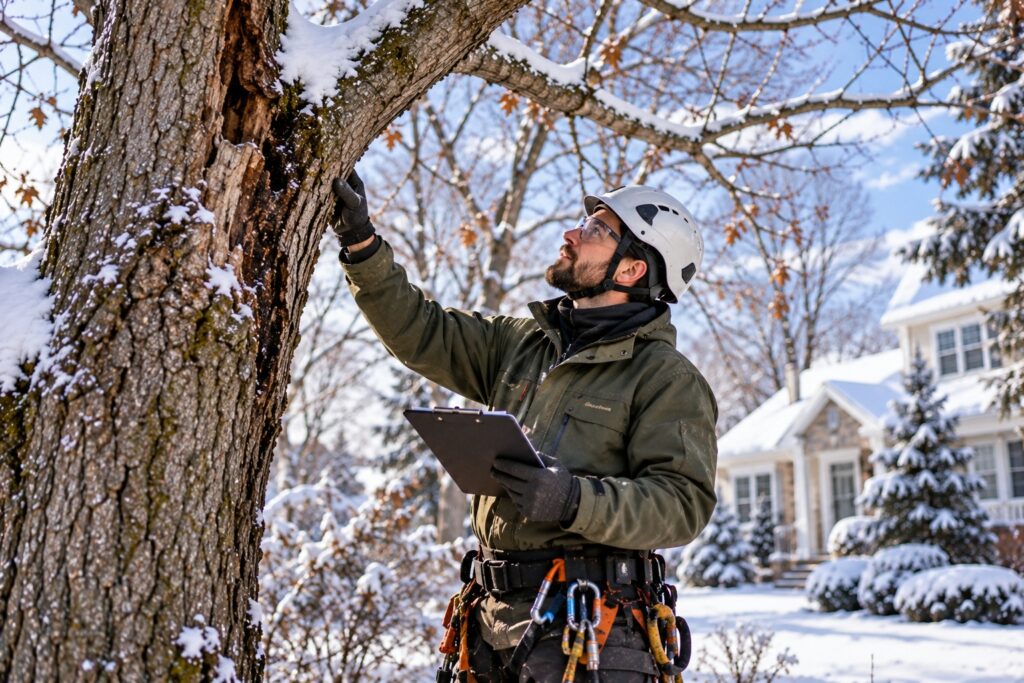
Winter storms can turn a seemingly healthy tree into a serious hazard almost overnight. Between heavy snow loads, ice accumulation, and powerful winds off Lake Erie, trees throughout the region face real challenges every winter season. The best way to protect your property is a thorough inspection before the weather turns, and that’s exactly where a qualified arborist Buffalo NY homeowners trust can make all the difference.
This guide walks through what a professional inspection actually involves, the warning signs to watch for, and why catching problems early is so important before winter storms arrive.
Why a Professional Inspection Matters Before Winter
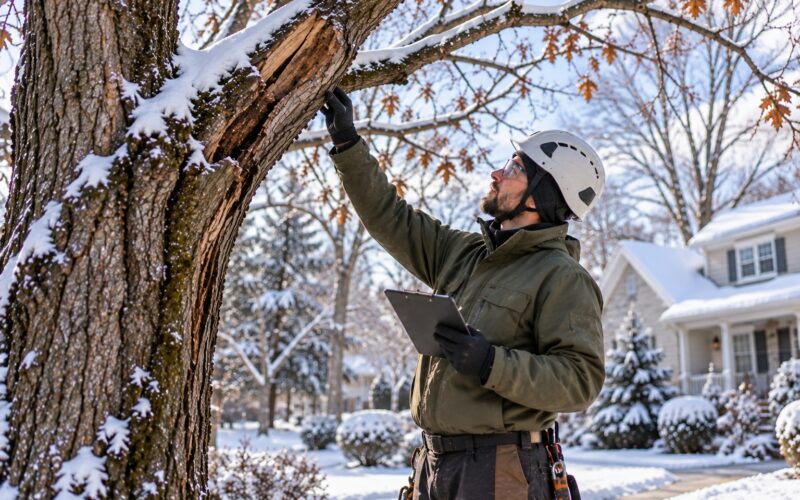
Many property owners assume a tree is healthy simply because it looks fine from a distance. But trees can hide significant problems, internal decay, root damage, or structural weaknesses that aren’t visible without a trained eye. An experienced arborist knows exactly what to look for and can identify risks long before they become emergencies.
A pre-winter inspection isn’t just about avoiding property damage. It’s about protecting your family, your neighbors, and anyone who walks or drives near your trees once snow and ice begin adding extra weight to already stressed branches.
What an Arborist Looks For During a Tree Inspection
A thorough inspection covers far more than a quick glance at the canopy. A qualified arborist Buffalo NY residents rely on typically evaluates several key areas of a tree, including:
- The overall shape and structure of the canopy
- Branch attachments and any signs of cracking or splitting
- Bark condition, checking for peeling, cracks, or missing sections
- Signs of fungal growth, both on the trunk and at the base
- Root flare and surrounding soil for heaving or exposed roots
- Evidence of pest activity, such as boring holes or sawdust residue
- Any leaning that has changed noticeably from previous seasons
Each of these factors helps build a complete picture of a tree’s health and its ability to withstand winter conditions.
Warning Signs That Warrant a Closer Look
While a full inspection is best left to a professional, there are warning signs property owners can watch for on their own throughout the fall. If you notice any of the following, it’s a good idea to schedule an inspection sooner rather than later:
- Large dead branches, especially in the upper part of the canopy
- Visible cracks or splits running along the trunk
- Mushrooms or fungal growth near the base of the tree
- A trunk that appears to be leaning more than in past years
- Thinning leaves or early leaf drop compared to nearby trees
- Branches hanging dangerously close to the roof, driveway, or power lines
These signs don’t always mean a tree needs to come down, but they’re strong indicators that a professional evaluation is worth scheduling before winter arrives.
Checking the Canopy for Structural Weaknesses
The upper portion of a tree often bears the brunt of winter storm damage, since snow and ice accumulate directly on branches. During an inspection, an arborist pays close attention to how the canopy is structured, looking for issues such as:
- Codominant stems, where two main trunks compete for space and create weak unions
- Branches that cross or rub against one another
- Dense areas of growth that trap excess snow and ice
- Weak branch attachments that are more likely to break under added weight
Addressing these issues through targeted trimming can significantly reduce the risk of branch failure once heavy snow arrives.
Evaluating Root Health and Soil Conditions
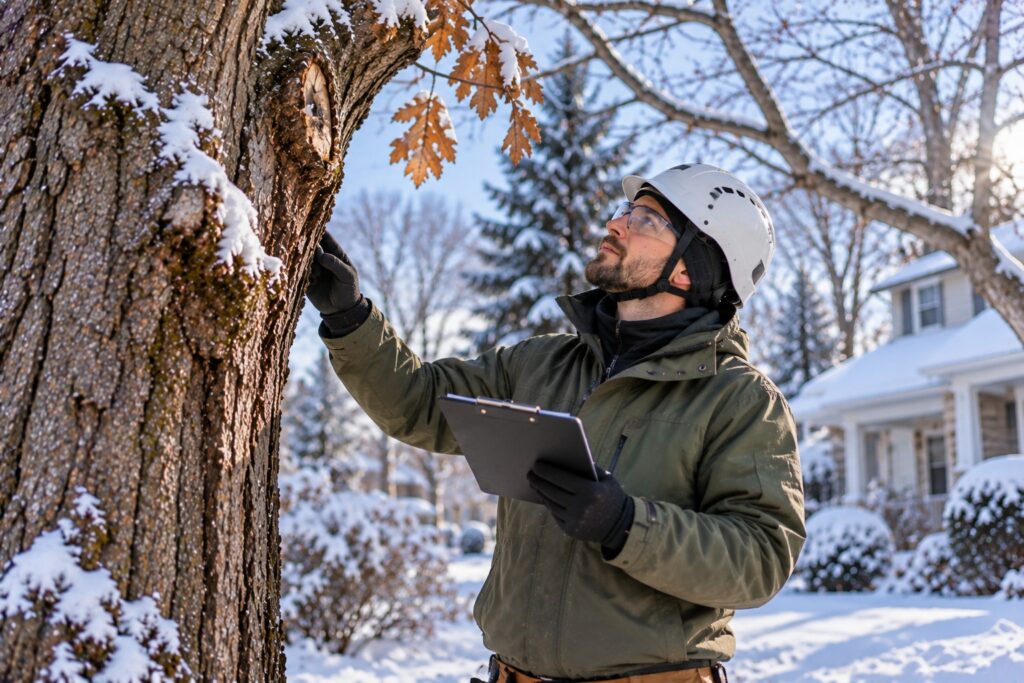
A tree is only as stable as its root system, which makes root health one of the most important parts of any inspection. An experienced arborist Buffalo NY property owners call on will typically check for:
- Soil that has shifted, cracked, or lifted near the base of the tree
- Roots that have been damaged by recent digging, construction, or heavy equipment
- Signs of girdling roots that wrap around the trunk and restrict growth
- Waterlogged or poorly draining soil that can weaken root systems over time
- Fungal growth around the root flare, which often signals decay
Since root problems aren’t always visible from the surface, this part of the inspection often requires the most expertise to evaluate accurately.
Identifying Disease and Pest Activity
Diseases and pests can silently damage a tree for years before visible symptoms appear above ground. Part of a comprehensive inspection includes checking for early indicators such as:
- Small entry holes in the bark from wood-boring insects
- Sticky sap or resin oozing from the trunk
- Unusual discoloration or wilting in the leaves
- Peeling bark that reveals insect tunnels underneath
- Canopy dieback that progresses from one section to another
Catching these issues early gives property owners more options, whether that means treatment, targeted pruning, or in more serious cases, removal before the tree becomes unsafe.
How Inspection Findings Guide the Right Next Steps
Once an inspection is complete, a qualified arborist Buffalo NY homeowners work with will typically provide clear recommendations based on what was found. These recommendations often fall into a few categories:
- Routine maintenance, such as light trimming or continued monitoring
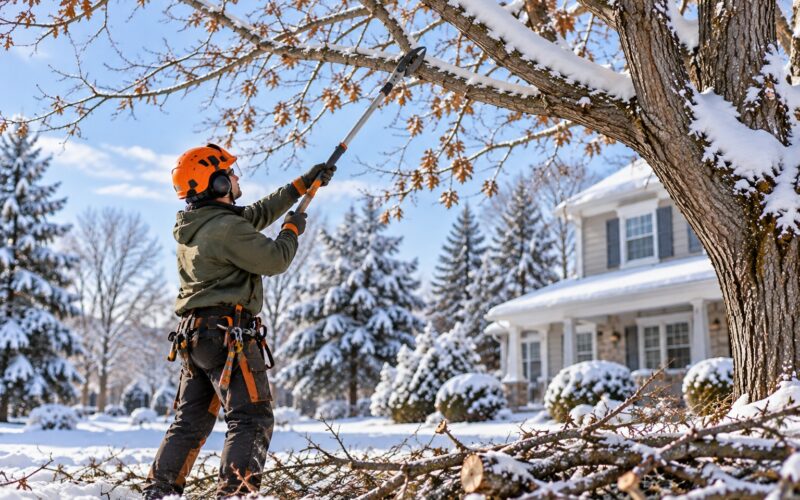
- Structural pruning to remove weak or hazardous branches
- Cabling or bracing for trees with split trunks or codominant stems
- Treatment plans for trees affected by disease or pest activity
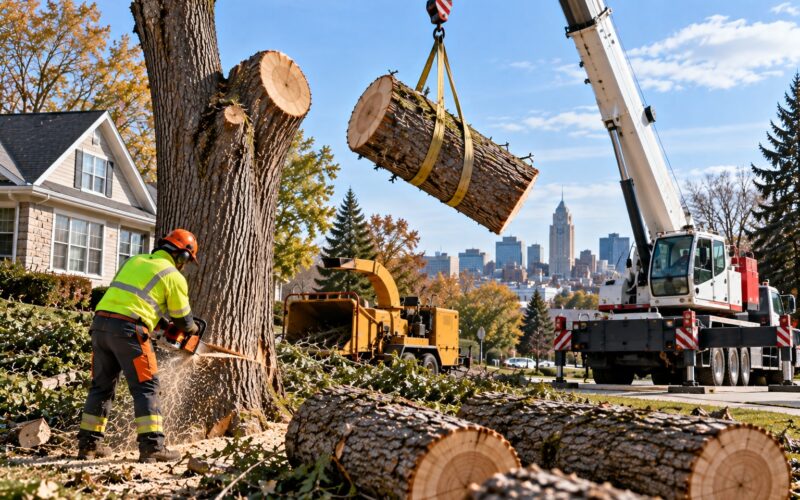
- Removal recommendations for trees that pose a significant safety risk
Having this kind of professional guidance before winter storms hit allows property owners to make informed decisions, rather than reacting under pressure once snow and ice are already causing problems.
The Best Time of Year for Inspections
Late fall is widely considered the ideal window for tree inspections in this climate. Once most leaves have dropped, an arborist Buffalo NY teams send out can clearly see a tree’s branch structure, making it far easier to spot cracks, decay, or other hidden issues. The ground is also still workable at this point, which makes any necessary follow-up work, whether pruning or removal, safer and more efficient to carry out.