Table of Contents
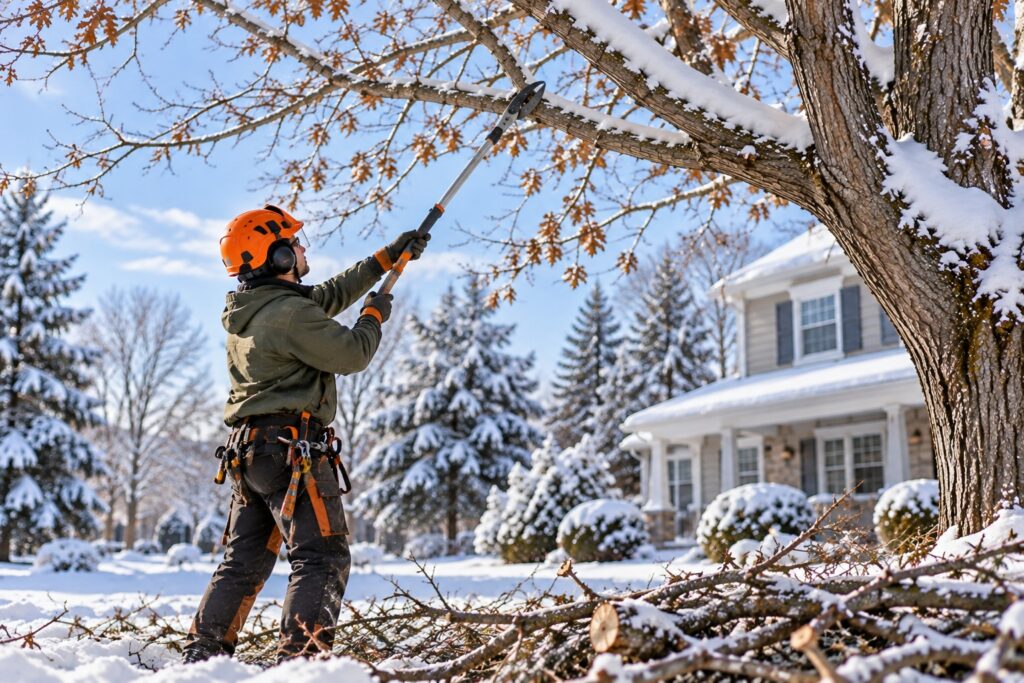
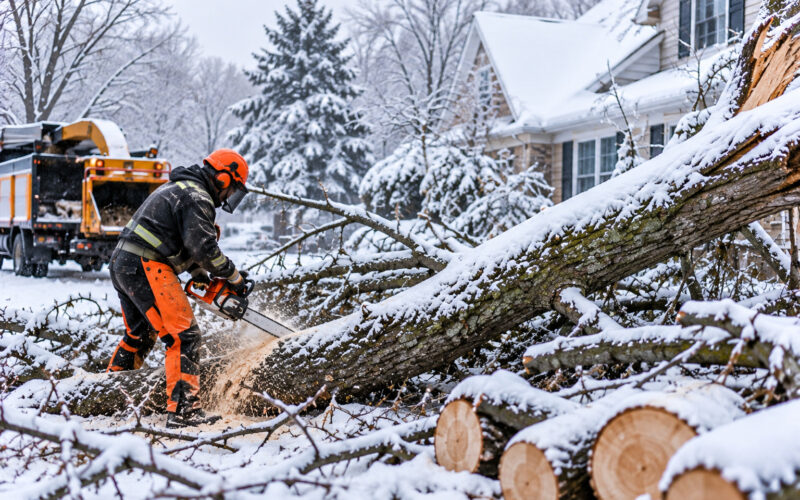
Every winter, Buffalo homeowners deal with the same frustrating problem: branches that look fine in fall snap under snow, ice, and wind by January. Broken limbs can scratch roofs, crush fences, block driveways, and take down power lines. The good news is that much of this damage is preventable. Smart tree trimming Buffalo NY homeowners schedule before the cold arrives can remove weak wood, reduce wind and snow load, and keep trees healthier for years. This guide explains why branches break, which ones are most at risk, and how a professional tree trimming service helps you prepare.
Why Branches Break in Winter
Branches are built to flex, but winter conditions push them past their limits. Several forces work together:
- Wet, heavy snow clings to limbs and adds significant weight
- Freezing rain coats twigs in ice and makes wood brittle
- Strong winds off Lake Erie push against loaded canopies
- Cold temperatures reduce the flexibility of wood fibers
- Freeze and thaw cycles can widen small cracks
- Older or decayed wood cannot carry the load it once could
A healthy, well-structured tree can bend and recover. A tree with weak joints, dead wood, or crowded growth is far more likely to lose limbs.
Branches Most Likely to Fail
Not every branch carries the same risk. Pay close attention to these:
- Dead branches with no leaves or buds
- Limbs with cracks or splits near the trunk
- Branches growing at tight V-shaped angles, which tend to be weaker than U-shaped unions
- Long, heavy limbs extending far from the trunk
- Crossing branches that rub against each other and create open wounds
- Branches hanging over roofs, driveways, or power lines
- Limbs with fungus, soft spots, or dark decay
Walk around your property in fall and look up. Marking trouble spots helps you give a professional a clear starting point.
Matching the Cut to the Goal
Trimming is not one single task. Different goals call for different cuts. The table below shows common approaches a tree trimming service may recommend and how each one helps reduce winter breakage.
| Type of Work | What It Does | How It Reduces Winter Damage |
|---|---|---|
| Deadwood removal | Cuts out dead and dying branches | Removes brittle wood that snaps easily under snow |
| Crown thinning | Selectively removes some branches to open the canopy | Lets wind pass through and reduces snow load |
| Crown reduction | Shortens overextended limbs | Lowers leverage on long, heavy branches |
| Crown raising | Removes lower branches to create clearance | Keeps limbs away from roofs and driveways |
| Structural pruning | Guides young trees toward stronger form | Builds better branch unions over time |
| Utility clearance | Trims branches back from power lines | Reduces outage risk during storms |
The right mix depends on the species, age, and condition of each tree. A good crew will recommend only what the tree actually needs.
The Best Time to Schedule
Timing matters. Many homeowners schedule tree trimming Buffalo NY work in late fall or during the dormant season. Leaves are down, branch structure is easy to see, and most trees experience less stress when pruned while dormant. Fall also tends to offer more open schedules than the weeks after a major storm.
A few reminders:
- Dead or dangerous limbs should be removed as soon as you notice them
- Spring-flowering trees may need different timing to protect blooms
- Avoid heavy cuts late in the season when cold snaps are imminent
- Book early, since demand rises as winter approaches
An arborist can advise on the right schedule for each species on your property.
Why Climbing and Cutting Alone Is Risky
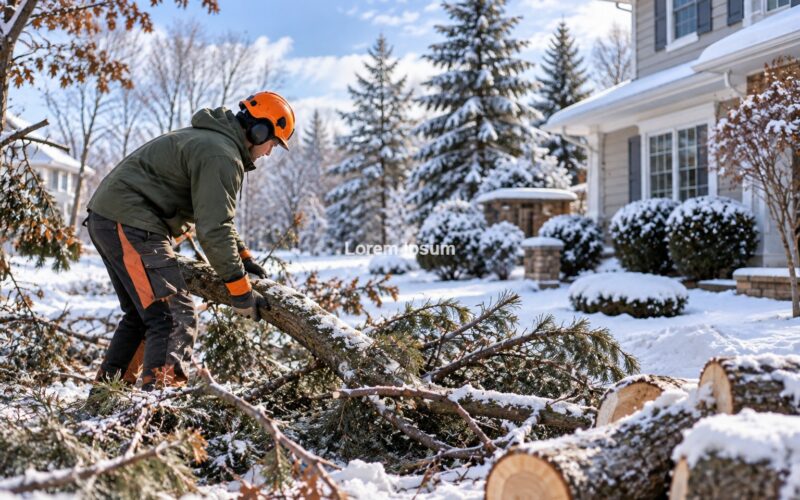
It can be tempting to handle a few limbs yourself, but tree work is among the more dangerous household projects. Ladders slip, saws kick back, and falling branches are heavy and unpredictable. Contact with power lines can be deadly.
Consider hiring a tree trimming service when:
- The branch is larger than your wrist
- The limb is higher than you can reach from the ground
- Work would take place near power lines
- The branch hangs over a house, fence, or vehicle
- You are not sure which cut is correct
- The tree is already damaged or leaning
Small, low branches may be fine for a careful homeowner with proper tools and safety gear. For anything bigger, professional help is the safer choice.
What Happens During a Visit
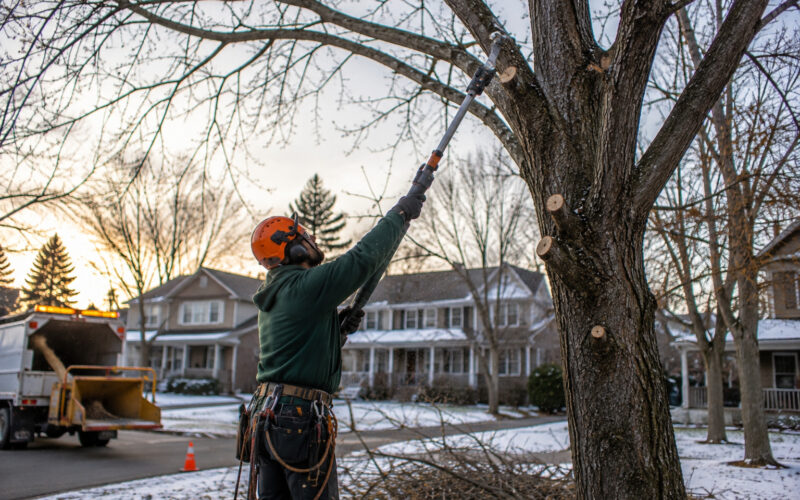
Crews that provide tree trimming Buffalo NY homeowners count on usually begin with an inspection. They look at the tree’s health, structure, and surroundings, then explain what they recommend and why.
A typical visit includes:
- A walkaround and assessment of each tree
- A written estimate describing the work
- Proper cuts made just outside the branch collar
- Ropes and rigging to lower larger limbs safely
- Protection for your lawn, plants, and structures
- Cleanup of branches, leaves, and debris
- A final review with you before the crew leaves
Technique matters. Clean, well-placed cuts help a tree heal, while poor cuts can invite decay and weaken the tree.
What Affects the Price
Pricing varies from property to property. The price of a tree trimming service usually depends on:
- Tree size and height
- Number of trees
- Amount of work needed
- Access, including gates, slopes, and nearby buildings
- Proximity to power lines or other hazards
- Equipment needed, such as lifts or climbing gear
- Debris removal and hauling
Request written estimates from two or three companies and compare what each includes. A lower bid that skips insurance or cleanup can end up costing more in the long run.
How to Choose a Reliable Crew
Use this checklist when comparing providers of tree trimming Buffalo NY residents can rely on:
- Proof of liability insurance and workers’ compensation coverage
- Certified arborists on staff or available for assessments
- A written estimate that describes the work
- Clear explanations of methods and safety practices
- Local reviews or references
- No pressure to decide immediately or pay large amounts upfront
A reliable tree trimming service answers your questions patiently, explains its plan, and tells you honestly when a tree does not need work.
Mistakes That Can Make Winter Damage Worse
Some common practices do more harm than good:
- Topping, which means cutting main branches back to stubs. It weakens trees and encourages weak regrowth
- Removing too much of the canopy at once, which stresses the tree
- Leaving long stubs that decay instead of healing
- Cutting flush against the trunk and damaging the branch collar
- Ignoring small cracks until they become large failures
- Waiting until after a storm to inspect trees
Good technique and good timing protect both the tree and your property.
Local Experience Counts
Buffalo trees face heavy wet snow, ice, and strong winds that many regions never see. A local crew understands the common species, typical weak points, and how neighborhoods are laid out. Strong Oak Tree Service provides tree trimming Buffalo NY property owners can combine with removal or stump grinding if needed, which makes planning simpler when you want one provider to handle multiple tasks.
Simple Aftercare Tips
After trimming, a few habits help your trees stay strong:
- Water young or stressed trees during dry periods in fall
- Keep mulch a few inches away from the trunk
- Watch the cuts for signs of decay or unusual dripping
- Check your trees after major storms
- Schedule inspections regularly, depending on age and condition
Frequently Asked Questions
How often should I schedule tree trimming Buffalo NY properties need?
It depends on the species, age, and condition. Many mature trees benefit from an inspection every year or two, while young trees may need more frequent guidance to build strong structure.
What does a tree trimming service include?
It typically includes an inspection, removal of dead or weak branches, shaping, clearance work, and cleanup. Additional services, such as stump grinding or removal, may be offered separately.
Can trimming in winter harm trees?
Many trees can be pruned during the dormant season, and lack of leaves makes structure easier to see. Timing still depends on the species, so ask a professional before scheduling.
Does trimming prevent all storm damage?
No. It reduces risk by removing weak wood and lowering load, but severe storms can still damage healthy trees. Regular care improves your trees’ chances of getting through winter safely.
Can I trim large branches myself?
Small, low branches may be manageable with the right tools. Large limbs, high branches, and anything near power lines should be left to trained professionals.
How do I choose a tree trimming service?
Check insurance, ask for written estimates, read local reviews, and notice how clearly the company explains its plan. Avoid anyone who recommends topping or pressures you to decide quickly.
Final Thoughts
Winter branch breakage is common, but it is not inevitable. By understanding which limbs are most at risk, scheduling work before the cold arrives, and choosing a qualified crew, you can protect your home, your family, and your trees. Compare written estimates, confirm insurance, and look for local experience and honest advice. When you are ready to book, choose a provider of tree trimming Buffalo NY homeowners can trust to work safely and clearly.