Table of Contents
Anyone who has lived through a Buffalo winter knows how quickly snow can pile up. A single lake-effect band can drop a foot or more overnight, and every inch settles on branches that were never designed to carry that much weight. Some trees handle it well. Others crack, lean, or come down entirely. If a tree on your property worries you, understanding your options early can prevent damage and injury. This guide explains how heavy snow stresses trees, which warning signs matter most, and when to call a professional tree removal service.
If you are comparing choices for tree removal Buffalo NY homeowners rely on, the sections below will help you ask better questions and plan with confidence.
Why Heavy Snow Is Hard on Trees
Snow looks light, but wet snow is surprisingly heavy. When it sticks to branches, it adds weight, and ice can add even more. Wind then pushes against that extra load, creating stress on weak points.
Several winter conditions work together:
- Wet, heavy snow that clings to branches and needles
- Freezing rain that coats limbs in ice and makes wood brittle
- Strong winds off Lake Erie that sway loaded canopies
- Repeated freeze and thaw cycles that widen small cracks
- Frozen soil that holds roots less securely in some conditions
- Older trees with decay that cannot flex under pressure
A tree with sound structure can bend and recover. A tree with hidden defects may fail without warning.
Trees That Are Often Most Vulnerable
Some trees are more likely to struggle in heavy snow. Watch closely if you have:
- Trees with several trunks joined at tight angles
- Species known for brittle wood, such as certain fast-growing maples and flowering pears
- Evergreens with dense boughs that trap snow
- Older trees with hollow areas, cavities, or old wounds
- Trees damaged by past storms or poor pruning
- Trees with roots disturbed by construction or trenching
- Trees growing close to houses, garages, and power lines
Knowing which trees on your property fall into these groups helps you prioritize inspections.
Warning Signs Worth Taking Seriously
Look at your trees in fall, before the first heavy snow. These signs suggest a professional should take a look:
- Dead branches or a thinning canopy
- Cracks or splits in the trunk or at branch joints
- A lean that has worsened over time
- Lifted soil or exposed roots on one side
- Mushrooms or fungus near the base
- Large limbs hanging over the roof, driveway, or play area
- Hollow sections or soft, crumbling wood
If several of these appear on the same tree, it may be time to speak with a tree removal service about options.
When a Tree Can Be Saved
Removal is not always the answer. Sometimes careful pruning, cabling, or support can reduce risk and keep a valuable tree in place. Possible solutions include:
- Removing dead or weak branches
- Thinning the canopy to reduce snow load
- Installing cables or braces between strong stems
- Correcting structural problems in younger trees
- Monitoring a tree with minor issues and rechecking after storms
A certified arborist can tell you honestly whether the tree can be saved or whether the risk is too high.
Matching the Condition to the Solution
Every tree is different, but the table below shows how common conditions often point toward tree removal Buffalo NY homeowners may need, compared with other options.
| Condition | Likely Recommendation | Reason |
|---|---|---|
| Dead tree near a house or driveway | Full removal | Dead wood is brittle and can fail without warning |
| Large trunk crack with a lean | Full removal | Structural failure is likely under snow load |
| Healthy tree with a few weak limbs | Pruning | Removing weak limbs reduces risk and keeps the tree |
| Tree with minor splits at a branch union | Cabling and pruning | Support can help the tree hold together |
| Hollow trunk with visible decay | Removal or close monitoring | Decay reduces the wood available to carry loads |
| Young tree with poor structure | Corrective pruning | Early guidance builds long-term strength |
| Tree already damaged by a storm | Prompt assessment | Weakened trees often fail again in the next storm |
When the situation is unclear, an inspection removes the guesswork.
What a Professional Crew Does
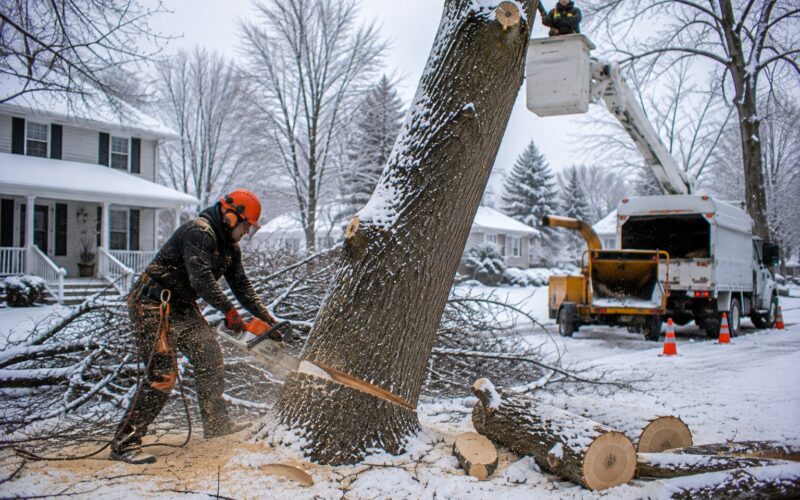
A qualified tree removal service begins with an assessment. The crew studies the tree’s lean, branch weight, and surroundings, including buildings, fences, and wires. They then explain the plan and provide a written estimate.
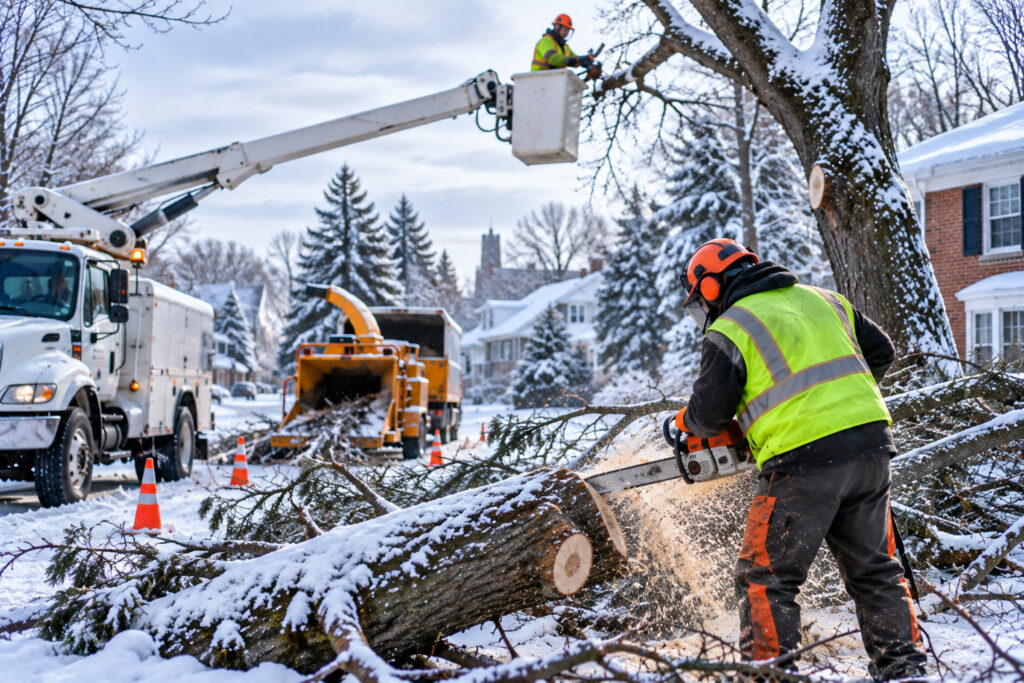
A typical job includes:
- Marking a safety zone around the work area
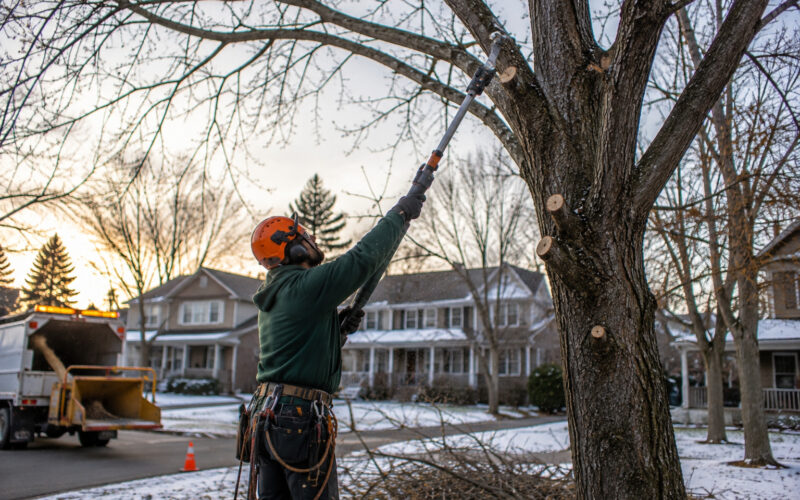
- Climbing or using a lift to reach upper sections
- Using ropes and rigging to lower heavy limbs under control
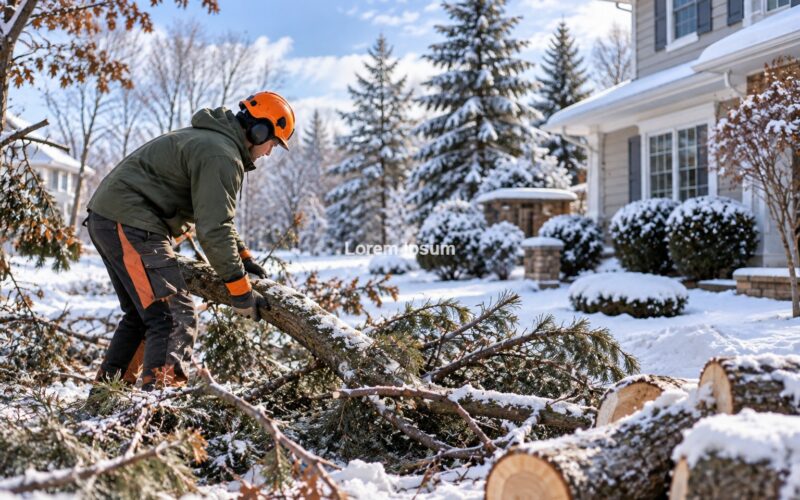
- Cutting the trunk in manageable pieces
- Hauling away logs and branches, or leaving wood if you prefer
- Raking and cleaning the area before leaving
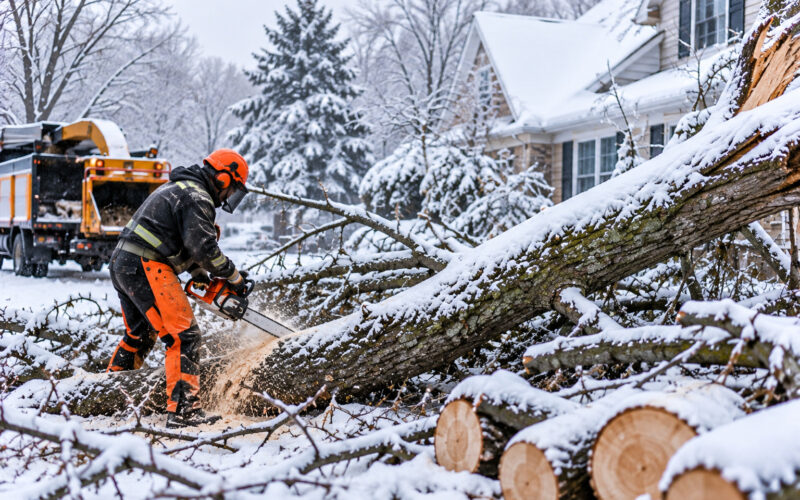
Large trees near homes often call for cranes or advanced rigging. This is not a job for chainsaws and ladders, since wood under tension can spring without warning.
Why Fall Is the Best Time to Plan
Waiting for the first storm often leads to rushed decisions. Scheduling tree removal Buffalo NY work in fall brings real advantages:
- Ground is still firm and accessible
- Crews have more openings before winter demand rises
- You have time to compare estimates
- Leaves are down, making branch structure easier to evaluate
- You can plan stump grinding or replanting before the freeze
- Hazards are gone before snow adds weight
If a tree already looks dangerous, do not wait for the perfect schedule. Call as soon as possible.
What Affects the Cost
Pricing varies from property to property. The price of a tree removal service usually depends on:
- Tree height and trunk size
- Condition of the tree
- Proximity to buildings and utility lines
- Access for trucks and equipment
- Whether a crane is needed
- Cleanup and debris hauling
- Optional stump grinding
Request written estimates from two or three companies, and compare what each includes. A low price that leaves out cleanup or insurance may cost more in the end.
Permits, Insurance, and Documentation
Rules differ by location, property type, and tree species. Ask whether tree removal Buffalo NY regulations require approval for your tree, particularly if it is a street tree or in a protected area. Your crew can often explain what applies.
Insurance coverage varies as well. Policies may help when a tree falls on a structure, though coverage depends on the situation. Take photos, keep estimates and invoices, and contact your insurer if damage occurs.
How to Choose a Reliable Provider
Use this checklist when comparing a tree removal service:
- Proof of liability insurance and workers’ compensation coverage
- Certified arborists on staff or available for assessments
- A written estimate describing the work and cleanup
- Clear safety practices and professional equipment
- Local references or reviews from recent customers
- No pressure to decide immediately
- Honest advice, including when removal is not necessary
Be cautious of anyone who recommends topping a tree, asks for large upfront payments, or cannot show insurance.
Local Experience Matters
Buffalo trees face conditions that many regions never see. Heavy wet snow, ice storms, and fast wind shifts all shape how trees grow and where they fail. A local crew understands these patterns. Strong Oak Tree Service provides tree removal Buffalo NY homeowners can combine with pruning and stump grinding, so one provider can handle the whole project from inspection to cleanup.
Frequently Asked Questions
When should I call a tree removal service?
Call when a tree is dead, severely leaning, cracked, or hanging over a structure. If a tree has fallen or limbs are broken, treat it as urgent. When you are unsure, an inspection can clarify the risk.
How much does tree removal Buffalo NY homeowners pay usually cost?
Cost depends on tree size, condition, access, and cleanup. Because each property is different, an on-site estimate gives the most accurate price. Written quotes make comparison easier.
Can heavy snow kill a tree?
Snow itself usually does not kill a healthy tree, but breakage, root disturbance, and ice damage can seriously harm it. Weak or diseased trees are at higher risk.
Should I knock snow off branches?
For small shrubs, gentle brushing from below can help. For large trees, do not shake or hit branches, since ice-coated wood can snap and fall on you. Leave large trees to professionals.
What should I do if a branch falls on a power line?
Stay far away and assume the line is live. Call 911 if there is danger and contact your utility company. Do not touch any tree in contact with wires.
Can I remove a snow-damaged tree myself?
Very small trees may be manageable. Large or leaning trees, trees near buildings, and anything near wires should be left to trained crews.
Final Thoughts
Heavy snow does not give much warning, and weakened trees do not wait for a convenient moment to fail. By learning the warning signs, planning in fall, and choosing a qualified crew, you can reduce risk to your home and family. Take time to compare written estimates, check insurance, and ask honest questions. When you are ready to act, look for a dependable tree removal service that offers clear communication and local experience, and choose tree removal Buffalo NY residents can trust to work safely.